
Why Feeling Seen Matters to Youth Development
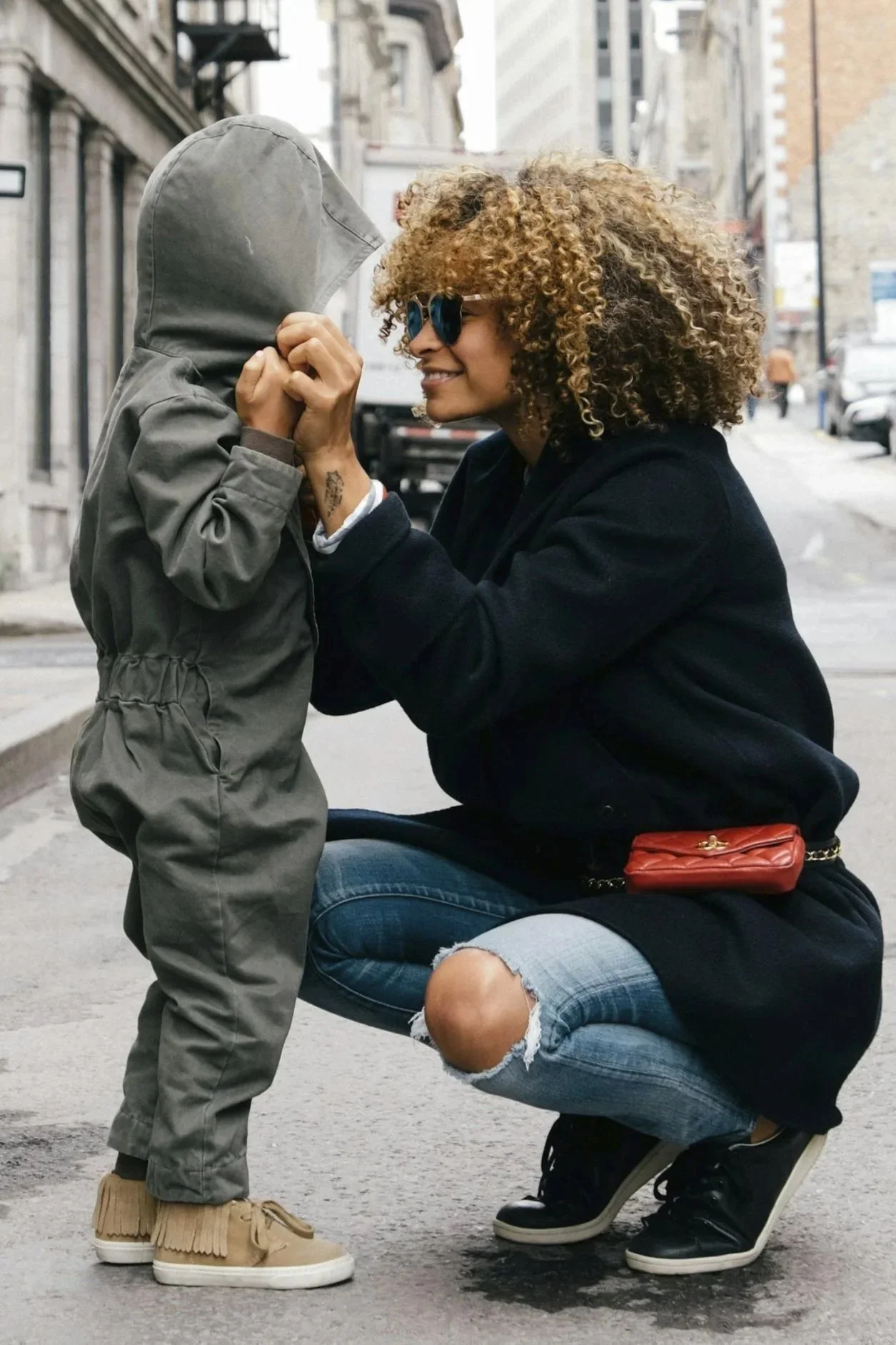
A child’s earliest experiences of feeling seen often begin with a parent or caregiver’s gaze: a quiet, attentive presence that communicates recognition, safety, and love before a single word is spoken. Long before children can articulate who they are, they learn about themselves through the eyes and attention of those caring for them. In these moments of attunement, a child receives an essential message: you matter, and your inner world is worth noticing.
As children grow, this experience of being seen continues to shape their emotional and social development. Feeling genuinely recognized helps young people develop the skills necessary for healthy relationships and community life: perspective-taking, conversation, empathy, respectful disagreement, and the ability to tolerate difference in others. When children feel emotionally acknowledged, they are more likely to develop confidence in expressing themselves and resilience in navigating the complexities of human connection.
I first encountered the phrase “loud listener” in How to Know a Person by David Brooks. Brooks uses the term to describe a kind of animated, outward curiosity toward another person—especially children. A loud listener leans in, nods enthusiastically, mirrors emotion with expressive facial cues, and communicates deep interest in what a child is doing, saying, or trying to express.
Anyone who has spent time around skilled early childhood educators or pre-K teachers has likely witnessed this instinctively. These adults know that children thrive when someone meets their excitement with genuine responsiveness. Of course, exaggerated empathy can feel performative or patronizing when it is inauthentic or disconnected from a child’s developmental needs. But when it is sincere, this kind of attentive engagement becomes foundational to a child’s sense of self-worth and belonging.
The idea of “loud listening” closely overlaps with another concept familiar to early childhood educators and play therapists: floortime. Developed in the late 1980s by child psychiatrists Stanley Greenspan and Serena Wieder, floortime emphasizes the importance of physically and emotionally entering a child’s world through play. Often quite literally, this means getting down on the floor with a child and offering undivided attention as they engage in the important work of exploration, imagination, and discovery.
Floortime is frequently recommended to busy parents as a way to reconnect and re-attune to their children. The practice is intentionally simple: watch, follow, and engage without multitasking or imposing an agenda beyond connection itself. Many parents discover that even five uninterrupted minutes of focused play can noticeably strengthen their sense of closeness with their child.
From the child’s perspective, this kind of attention is deeply regulating and reassuring. It reinforces a crucial message: all of the effort involved in learning how to be human is being noticed. Their attempts to communicate, experiment, struggle, and grow are witnessed and valued. Feeling seen in this way not only strengthens connection, but also motivates children to persist through frustration and challenge.
In a culture increasingly shaped by distraction, divided attention, and constant stimulation, the act of truly seeing a child can feel deceptively small. Yet these moments of attunement are foundational to healthy development. Children do not simply need supervision or instruction; they need recognition. They need experiences that tell them their thoughts, emotions, and efforts matter.
To feel seen is, in many ways, to feel real. And for young people developing a sense of identity and place in the world, that feeling can shape who they become.
